The Gingerbread Man
Author: Jim Aylesworth
Illustrator: Barbara McClintock
Genre: Traditional Literature
Awards:N/A
Grade Level: K-2
This book is about an old man and women who want to bake a perfect gingerbread man. Once the cookie is out of the over, he comes to life and runs away. He says "No, No, No you cant catch me I'm the gingerbread man". While he is on the run, he uses different people and animals to get to where he wants to be. His strategy seems to be working until he meets the fox. This is where the journey of the gingerbread man ends.
The illustrations in this story are classic and familiar. Students will love the little details on the gingerbread man's clothes.
Students can listen to the story while decorating a gingerbread man. Then they can write their own story using the character they just created.
Showing posts with label traditional literature. Show all posts
Wednesday, December 7, 2016
The Legend of the Indian Paintbrush by Tomie dePaola
The Legend of the Indian Paintbrush
Author/Illustrator: Tomie dePaola
Genre: Traditional Literature
Awards: N/A
Grade Level: 1-3
The legend of the Indian paintbrush is the story of a young boy who is different from the rest of the boys in his tribe, he cannot go out with them to wrestle and run, he just cannot keep up. He does not let this keep him down. He spends his time making small soldiers out of found materials and painting small rocks. When the boy grew older he has a dream-vision that he would be a hero by documenting the stories of the tribe with paint, great hunts and other dream-visions. He will paint his dream-vision when the time is right.
The illustrations in this book are simple and display the Native American Culture.
This story will compliment a lesson about Native Americans. Students can also use this as model for an assignment where students write their own story, then illustrate it.
Author/Illustrator: Tomie dePaola
Genre: Traditional Literature
Awards: N/A
Grade Level: 1-3
The legend of the Indian paintbrush is the story of a young boy who is different from the rest of the boys in his tribe, he cannot go out with them to wrestle and run, he just cannot keep up. He does not let this keep him down. He spends his time making small soldiers out of found materials and painting small rocks. When the boy grew older he has a dream-vision that he would be a hero by documenting the stories of the tribe with paint, great hunts and other dream-visions. He will paint his dream-vision when the time is right.
The illustrations in this book are simple and display the Native American Culture.
This story will compliment a lesson about Native Americans. Students can also use this as model for an assignment where students write their own story, then illustrate it.
The Boy Who Cried Wolf by B.G. Hennessey
The Boy Who Cried Wolf
Author: B.G. Hennessey
Illustrator: Boris Kulikov
Genre: Traditional Literature
Awards: N/A
Grade Level: PK-2
A boy tending his sheep feels lonely and decides to cry "wolf" when there was no wolf around. He liked to watch to people come running to him. One day, when a wolf really does appear, nobody answers his call for help.
The illustrations in this story are dimensional and appear to "pop out" of the page. Young readers will love this fun aspect of the artwork.
This story can teach students a valuable lesson about taking things for granted, lying, and being trustworthy.
Author: B.G. Hennessey
Illustrator: Boris Kulikov
Genre: Traditional Literature
Awards: N/A
Grade Level: PK-2
A boy tending his sheep feels lonely and decides to cry "wolf" when there was no wolf around. He liked to watch to people come running to him. One day, when a wolf really does appear, nobody answers his call for help.
The illustrations in this story are dimensional and appear to "pop out" of the page. Young readers will love this fun aspect of the artwork.
This story can teach students a valuable lesson about taking things for granted, lying, and being trustworthy.
Jack and the Beanstalk by Steven Kellogg
Jack and the Beanstalk
Author/Illustrator: Steven Kellogg
Genre: Traditional Literature
Awards: N/A
Grade Level: K-3
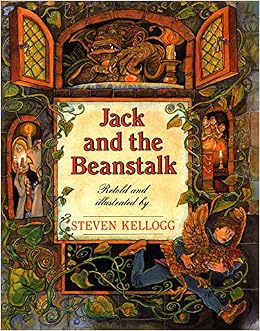
This is a story about a very curious boy who has no business climbing a mysterious beanstalk, but does it anyways. He quickly learns that he should stay away from places that he is not allowed it. He gets himself into a dangerous situation that he cannot handle- a confrontation with a giant!
The illustrations are incredibly intricate and detailed. The setting and characters display the old farm town perfectly.
This is a classic tale that every child should know. There are valuable lessons about honesty and curiosity for students to discuss.
Author/Illustrator: Steven Kellogg
Genre: Traditional Literature
Awards: N/A
Grade Level: K-3
This is a story about a very curious boy who has no business climbing a mysterious beanstalk, but does it anyways. He quickly learns that he should stay away from places that he is not allowed it. He gets himself into a dangerous situation that he cannot handle- a confrontation with a giant!
The illustrations are incredibly intricate and detailed. The setting and characters display the old farm town perfectly.
This is a classic tale that every child should know. There are valuable lessons about honesty and curiosity for students to discuss.
Sunday, December 4, 2016
My Best Friend Moved Away by Nancy Carlson
My Best Friend Moved Away
Author/Illustrator: Nancy Carlson
Genre: Realistic Fiction
Awards: N/A
Grade Level: PK-1
When a young girl moves to a new town, she reminisces on all the good times she had with her best friend. She knows she will miss building forts and playing outside together, but eventually realizes that she will be able to make new friends. She will always have the memories of her old friends with her.
The illustrations are colorful and relatable. Readers can connect with the emotions the character is feeling through her facial expressions.
This story would be most effective to read to students who are new to the school or town. The book will encourage children to be sociable and make friends.
Author/Illustrator: Nancy Carlson
Genre: Realistic Fiction
Awards: N/A
Grade Level: PK-1
When a young girl moves to a new town, she reminisces on all the good times she had with her best friend. She knows she will miss building forts and playing outside together, but eventually realizes that she will be able to make new friends. She will always have the memories of her old friends with her.
The illustrations are colorful and relatable. Readers can connect with the emotions the character is feeling through her facial expressions.
This story would be most effective to read to students who are new to the school or town. The book will encourage children to be sociable and make friends.
Goldilocks and the Three Bears by James Marshall
Goldilocks and the Three Bears
Author/Illustrator: James Marshall
Genre: Traditional Literature
Awards: Caldecott Medal
Grade Level: PK-2nd Grade
Goldilocks has been sent out to play and she wanders into the forest to find a house. She has ignored the beware of bears signs that were posted along the way. She goes into the bears home while they are out for a bike ride. She eats their food, sits in their chairs and makes her way up to their beds where she lays in all of them until she decides to take a nap in the baby bears bed. The bears come home to see that their meals have been eaten, their chairs have been sat in and their beds have been slept in and baby bear finds goldilocks still in his bed! goldilocks is woken and runs for her life. She will not be back!
The illustrations are unique and colorful. Marshall uses interesting shapes for the setting and even characters.
This story can be compared to more modern tellings of the classic story. Teachers can also use this book as an introduction to the five senses.
Author/Illustrator: James Marshall
Genre: Traditional Literature
Awards: Caldecott Medal
Grade Level: PK-2nd Grade
Goldilocks has been sent out to play and she wanders into the forest to find a house. She has ignored the beware of bears signs that were posted along the way. She goes into the bears home while they are out for a bike ride. She eats their food, sits in their chairs and makes her way up to their beds where she lays in all of them until she decides to take a nap in the baby bears bed. The bears come home to see that their meals have been eaten, their chairs have been sat in and their beds have been slept in and baby bear finds goldilocks still in his bed! goldilocks is woken and runs for her life. She will not be back!
The illustrations are unique and colorful. Marshall uses interesting shapes for the setting and even characters.
This story can be compared to more modern tellings of the classic story. Teachers can also use this book as an introduction to the five senses.
The Tale of Peter Rabbit by Beatrix Potter
The Tale of Peter Rabbit
Author/Illustrator: Beatrix Potter
Genre: Traditional Literature
Awards: Lewis Caroll Shelf Award
Grade Level: PK-2
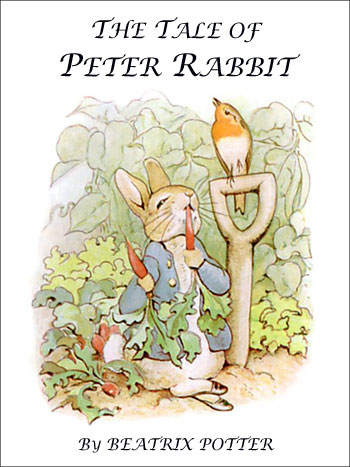
Mrs. Rabbit had four little rabbits: Flopsy, Mopsy, Cotton-tail, and Peter. Peter was a naughty little bunny and the others were three good little bunnies. While the three good little bunnies went down the road to pick berries, Peter went on to get into mischief. The little bunnies were warned about going near Mr. McGregor's garden. Bad things would come of it, like Mr. Rabbit, for example, was made into a pie for entering the garden. This was not to stop Peter from venturing out. Defiant Peter made it into the garden, but met face to face with Mr. McGregor and his gardening hoe. Mr. McGregor stopped everything to stop Peter the rabbit of his thievery . Peter was close to being captured but made it out alive. With his clothes being left behind, Mr. McGregor strung them up to act as a scarecrow to ward off birds. Peter ran all the way home. A tired out Peter went to bed early while the other three good little bunnies had bread and milk.
The illustrations are simple and fade into the page. The illustrator uses a soft, natural color palette to appeal to younger readers.
This is a classic book that every child should be familiar with. Teachers can introduce predictions to students by having them guess what will happen to the characters in the end.
Author/Illustrator: Beatrix Potter
Genre: Traditional Literature
Awards: Lewis Caroll Shelf Award
Grade Level: PK-2
Mrs. Rabbit had four little rabbits: Flopsy, Mopsy, Cotton-tail, and Peter. Peter was a naughty little bunny and the others were three good little bunnies. While the three good little bunnies went down the road to pick berries, Peter went on to get into mischief. The little bunnies were warned about going near Mr. McGregor's garden. Bad things would come of it, like Mr. Rabbit, for example, was made into a pie for entering the garden. This was not to stop Peter from venturing out. Defiant Peter made it into the garden, but met face to face with Mr. McGregor and his gardening hoe. Mr. McGregor stopped everything to stop Peter the rabbit of his thievery . Peter was close to being captured but made it out alive. With his clothes being left behind, Mr. McGregor strung them up to act as a scarecrow to ward off birds. Peter ran all the way home. A tired out Peter went to bed early while the other three good little bunnies had bread and milk.
The illustrations are simple and fade into the page. The illustrator uses a soft, natural color palette to appeal to younger readers.
This is a classic book that every child should be familiar with. Teachers can introduce predictions to students by having them guess what will happen to the characters in the end.
The Lion and the Mouse by Aesop/Jerry Pinkney
The Lion and the Mouse
Author: Aesop
Illustrator: Jerry Pinkney
Genre: Tradiditional Literature
Awards: Caldecott Medal (2010)
Grade Level: K-2
Author: Aesop
Illustrator: Jerry Pinkney
Genre: Tradiditional Literature
Awards: Caldecott Medal (2010)
Grade Level: K-2
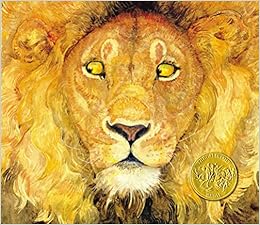
| A mouse is wandering through the forest one day and is caught by a large lion. The lion contemplates eating the mouse but decides to let him go free. Then the mouse returns to his family. When the lion is strolling through the forest, he gets caught in a rope net that was placed by hunters and the lion starts to roar very loudly. The mouse hears the lion and runs to find him and when he does, the mouse remembers what the lion did for him and so he chews through the rope to set the lion free. The illustrations in this books are extremely intricate and detailed. The illustrator focuses on every hair on the animals, while still making the background interesting. This is a classic tale that every student should be familiar with. Students can practice making predictions and also make an argument for why the mouse chose to help the lion. |
Friday, December 2, 2016
Little Red Riding Hood by Jerry Pinkney
Little Red Riding Hood

Author/Illustrator: Jerry Pinkney
genre: Traditional Literature
Awards: CCBC Choices, ALA notable children's book
Grade Level: PK-4
This is the classic story of Little Red Riding Hood. Red Riding Hoods grandmother was sick and her mother wanted Red to deliver a goodie basket to help her feel better. Red was to go straight to her grandmothers house but was distracted by a wolf. The wolf wanted to eat Red and her grandmother. The wolf sent Red on a different task and snuck away to Grandmothers house. When he got to the Grandmothers house, the wolf ate her up and disguised himself in the old woman's clothes. The wolf waited in bed for Red to show up so he could eat her too. When Red showed up she asked the disguised wolf several questions. But after asking about his teeth the wolf ate her too. The wolf then took a nap after finishing his snack. Later, a lumberjack passing by heard strange noises coming from the cottage and decided to investigate. He saw the wolf sleeping in the bed and also could see something moving in the wolfs stomach. The lumberjack killed the wolf and cut Red and her grandmother out of the wolfs belly. Both of the ladies were fine and decided to share the goodie basket with the brave man. Red decided to return home and went straight there.
The illustrations are extremely realistic. Great detail was used in each characters face, down the the hairs on the wolf. The scenery is also notable, with dense colors and beautiful landscapes.
This book teaches a great lesson about being obedient and doing as you are told. This is a classic story that every child should be familiar with.
Author/Illustrator: Jerry Pinkney
genre: Traditional Literature
Awards: CCBC Choices, ALA notable children's book
Grade Level: PK-4
This is the classic story of Little Red Riding Hood. Red Riding Hoods grandmother was sick and her mother wanted Red to deliver a goodie basket to help her feel better. Red was to go straight to her grandmothers house but was distracted by a wolf. The wolf wanted to eat Red and her grandmother. The wolf sent Red on a different task and snuck away to Grandmothers house. When he got to the Grandmothers house, the wolf ate her up and disguised himself in the old woman's clothes. The wolf waited in bed for Red to show up so he could eat her too. When Red showed up she asked the disguised wolf several questions. But after asking about his teeth the wolf ate her too. The wolf then took a nap after finishing his snack. Later, a lumberjack passing by heard strange noises coming from the cottage and decided to investigate. He saw the wolf sleeping in the bed and also could see something moving in the wolfs stomach. The lumberjack killed the wolf and cut Red and her grandmother out of the wolfs belly. Both of the ladies were fine and decided to share the goodie basket with the brave man. Red decided to return home and went straight there.
The illustrations are extremely realistic. Great detail was used in each characters face, down the the hairs on the wolf. The scenery is also notable, with dense colors and beautiful landscapes.
This book teaches a great lesson about being obedient and doing as you are told. This is a classic story that every child should be familiar with.
Sunday, November 27, 2016
Rumpelstiltskin by Paul O. Zelinksy
RumpelstiltskinAuthor/Illustrator: Paul O. Zelinsky
Genre: Traditional Literature
Awards: Caldecott Honor Award
Grade level: Pk-2
Rumpelstiltskin takes place during the medieval era. It begins when the miller tells the king that his daughter can spin gold. The king was excited and wanted to see her immediately! She did not actually spin gold, but was left in the cold dungeon until she did. She worked very hard, but could not spin the gold. Then, a short man appears and makes a deal with her. She trades the man her necklace for the gold. The next morning, the king sees all the gold she spun and tells her to keep spinning. The man continues to spin gold for her. Eventually, the girl runs out of things to trade for gold, so Rumpelstiltskin agrees to spin the gold in exchange for her first born child. Later, the girl marries the king and has a child. the man returns and demands the child. She begs for him to let her keep the child! He states that if she knows his name when he returns 3 days later, she can keep him. When he returns, the Queen guesses his name and he runs away.
Illustrations were realistic, detailed, and intricate. All the objects and characters looked life-like with the exception of the little man, who you can see from the cover, looks slightly more cartoonistic.
Students can discuss the moralistic value of the story, such as lying, trading, and bargaining.
Monday, September 12, 2016
The Story of Ferdinand by Munro Leaf
The Story of Ferdinand
Author: Munro Leaf
Illustrator: Robert Lawson
Genre: Traditional Literature
Awards:N/A
Grade level: pk-2
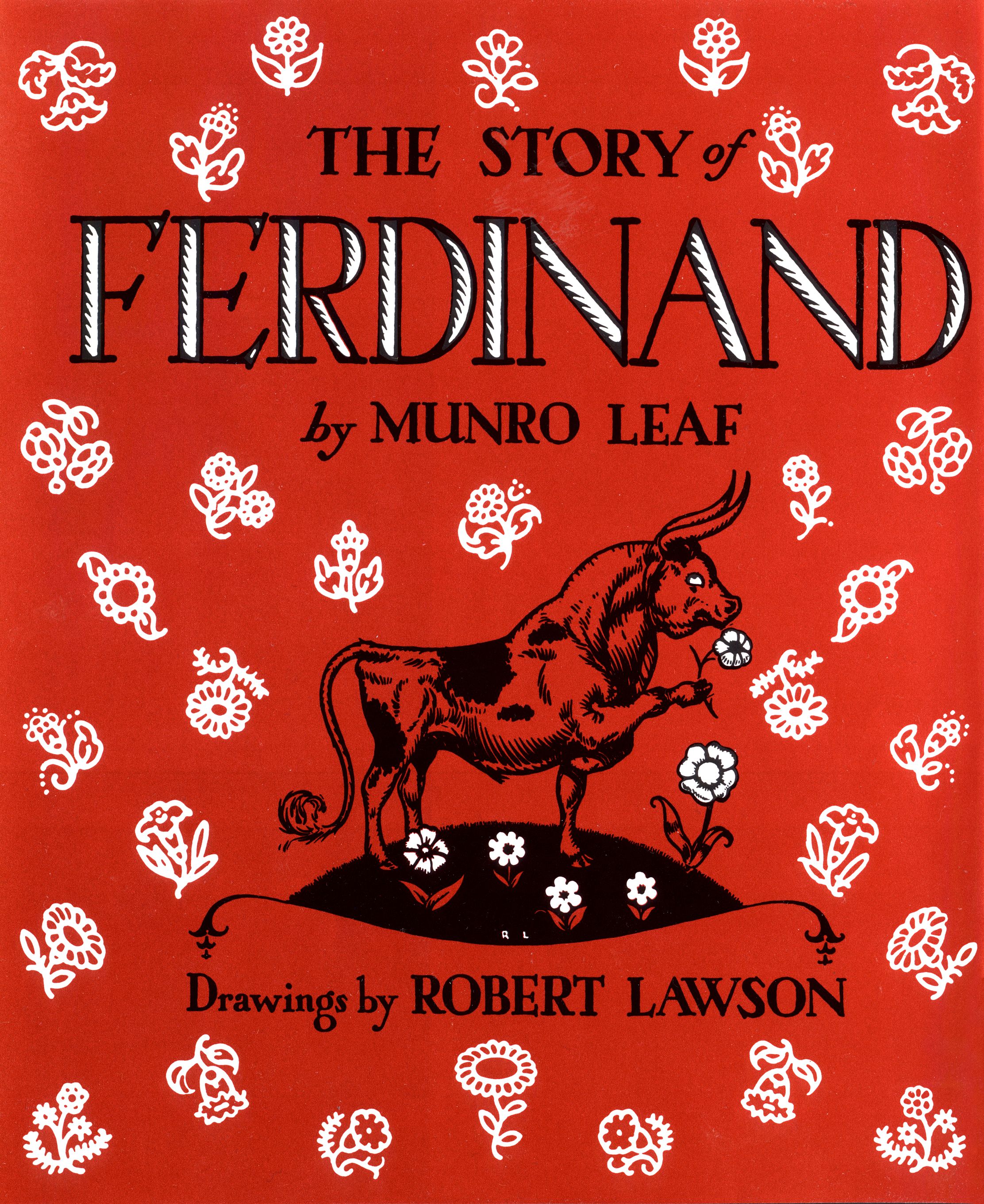
Summary: Ferdinand is not like the other bulls in his pasture. He doesn't like to fight, run, or butt heads. Instead, Ferdinand enjoys sitting under his favorite tree and smelling the flowers. One day, Some matadors came to the pasture to look for the fiercest bull to take to madrid. Ferdinand gets chosen accidentally after sitting on a bee, which makes him run and buck around in pain. The matadors take him away and, much to their disappointment, Ferdinand does not perform well in Madrid. He is distracted by the flowers in the women's hair and sits quietly admiring all of the flowers. This makes the Matador very angry. He takes Ferdinand home, but Ferdinand goes back to his favorite tree, where he smells the flowers and is happy.
Evaluation: Students can discuss why Ferdinand is different than the other bulls and compare to ways that they are different than their peers. The story also includes many cultural references to discuss with students, like matadors, banderilleros, and picadores.
Author: Munro Leaf
Illustrator: Robert Lawson
Genre: Traditional Literature
Awards:N/A
Grade level: pk-2
Summary: Ferdinand is not like the other bulls in his pasture. He doesn't like to fight, run, or butt heads. Instead, Ferdinand enjoys sitting under his favorite tree and smelling the flowers. One day, Some matadors came to the pasture to look for the fiercest bull to take to madrid. Ferdinand gets chosen accidentally after sitting on a bee, which makes him run and buck around in pain. The matadors take him away and, much to their disappointment, Ferdinand does not perform well in Madrid. He is distracted by the flowers in the women's hair and sits quietly admiring all of the flowers. This makes the Matador very angry. He takes Ferdinand home, but Ferdinand goes back to his favorite tree, where he smells the flowers and is happy.
Evaluation: Students can discuss why Ferdinand is different than the other bulls and compare to ways that they are different than their peers. The story also includes many cultural references to discuss with students, like matadors, banderilleros, and picadores.
Subscribe to:
Posts (Atom)